
At a Glance:
- Timber cases and crates should be specified to suit the load, not treated as standard items.
- Transport, handling and storage conditions directly affect how timber cases perform.
- Export and regulatory requirements must be confirmed early when ordering timber cases and crates.
- The right balance between standard and custom timber cases, backed by an experienced supplier, reduces risk and cost.
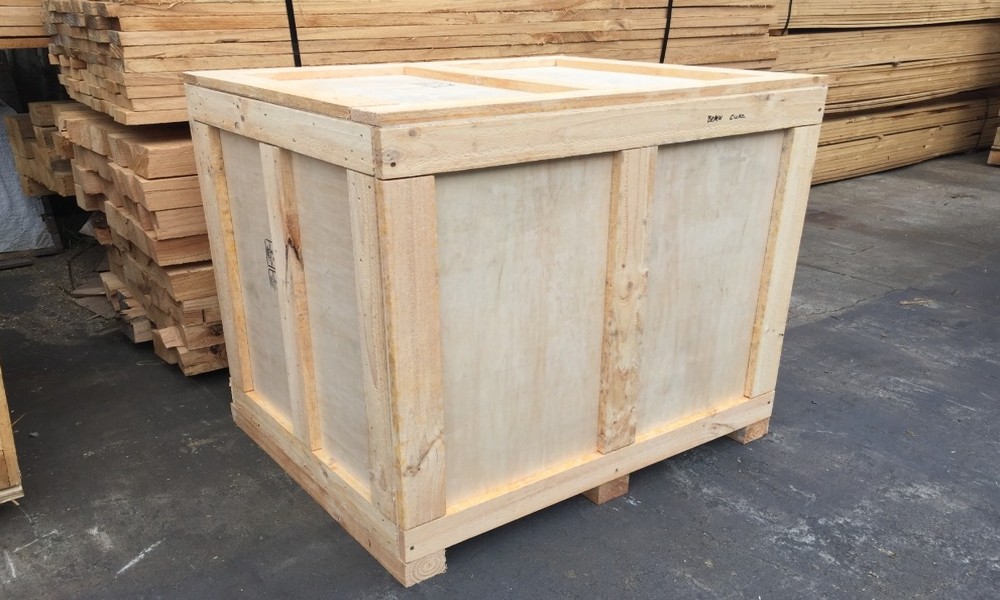
Timber cases and crates are commonly used in manufacturing, warehousing, logistics and export supply chains. They offer strength, versatility and protection for heavy or fragile goods. From machinery and components to specialised equipment, they remain a reliable solution for moving and storing products safely.
However, ordering timber packaging without fully considering its intended use can lead to costly consequences. What appears adequate when considered only for cost and convenience may not perform well when goods are lifted, transported or stored.
This article outlines the key factors businesses should consider when ordering timber cases and crates. It serves as a practical guide to help you select packaging that is appropriate for your products, transport methods and operating conditions.
Load Characteristics and Product Protection Requirements
Every decision regarding timber packaging should begin with a thorough understanding of the load. Weight, dimensions, fragility and centre of gravity affect how a case or crate needs to be built for reliable performance. Varying load characteristics like compactness, density, volume, and overall geometry place different stresses on timber packaging material.
Different types of cargo require distinct handling methods and packaging approaches. For instance, timber crates for machinery and heavy equipment typically need internal bracing, reinforced bases and careful load distribution to prevent shifting during transport.
In contrast, fragile or irregular items may require greater emphasis on shock absorption and movement control instead of sheer strength.
Transport Method and Handling Conditions
The way goods move through the supply chain directly impacts how timber cases and crates are handled. For instance, road transport subjects loads to continuous vibrations, while sea freight introduces longer durations, stacking pressures and exposure to the elements.
Similarly, air freight imposes weight and size restrictions, requiring efficiency without compromising protection. Rail transport may also introduce sustained vibration and load shifting over long distances, which should be considered in packaging design.
Dealing with various conditions introduces an additional layer of complexity. Forklift access points, crane lifting, repeated transfers and confined loading areas influence case construction. Timber packaging solutions that reflect real handling conditions reduce the risk of structural failure during routine operations.
Environmental and Storage Factors
Environmental exposure, such as moisture, humidity and temperature fluctuations, can gradually weaken and disfigure timber cases. Selecting the most suitable timber packaging must consider these conditions, particularly when goods are transported through uncontrolled environments.
Storage duration and location also matter. Indoor warehousing presents different challenges compared to outdoor holding yards. Rain, sunlight and ground contact can compromise timber integrity. Long-term storage increases the need for stability, stacking strength and moisture resistance.
Neglecting environmental and storage factors can cause even well-designed cases to deteriorate before reaching their destination.
Compliance, Export and Regulatory Requirements
Regulatory compliance is a crucial factor for businesses shipping goods across state lines or internationally. In the case of timber packaging, many markets have strict regulations because untreated timber can pose biosecurity risks. To prevent delays, inspections or rejections, export timber packaging must meet specific standards.
At the centre of this process are the ISPM-15 requirements. Any cases and crates used for export that include raw timber components must be heat-treated and certified to align with international regulations. If you do not clarify compliance requirements early, you risk costly rework or shipment disruptions.
By addressing regulatory obligations from the outset, companies can avoid unnecessary risks and maintain a smooth supply chain.
Customisation vs Standard Timber Packaging
Standard timber crates are suitable for loads with consistent weight distribution, predictable dimensions, and low risks. They provide quick and cost-effective solutions when used within their intended limits. However, not all products fit neatly into standard formats.
For irregular loads, high-value equipment or unusual dimensions, custom timber cases and crates prove to be optimal. The customisation ability enables the precise placement of internal supports, minimises void space and controls load movement. When designed efficiently, custom solutions can enhance freight efficiency and protection without significantly increasing overall costs.
Supplier Capability and Ongoing Support
Choosing a supplier solely on price can lead to costly mistakes. Manufacturing ability, design skill and quality control all affect how well timber packaging performs in real-world situations. A supplier with experience in industrial settings is better prepared to handle load stresses, operational issues and compliance requirements.
Ongoing support is also essential. Companies with ongoing packaging needs benefit from suppliers who understand their operations and can quickly adjust to changing demands.
An informed supplier ensures timber cases and crates remain reliable in the supply chain, even with tight deadlines or changing export rules.
The bottom line is that ordering timber cases and crates should be treated as a considered operational decision. By analysing load characteristics, transport conditions, environmental factors, compliance needs and balancing standard and custom solutions, businesses can reduce risk and prevent costly issues. Timber packaging designed for its full lifecycle provides enhanced protection, smoother logistics and improved long-term value in the supply chain.
If you are looking for dependable timber cases and crates, working with a reputable pallet supplier in Melbourne can make all the difference. The right supplier provides practical insights, compliance expertise and packaging solutions that meet actual operational needs.